Neon8 invested in VR180 kit in early 2020 — just as COVID wreaked havoc on the world. I'd wanted to try VR filmmaking for quite a while, but when I first looked in 2016, the costs were too much to justify. By 2020, VR180 was one of the newer formats gaining serious traction, the hardware had become more accessible, and I felt the timing was right.
What I didn't anticipate was that within weeks of making the investment, the entire production industry would shut down.
The Forced Education
In a strange way, the lockdowns gave us an opportunity that wouldn't otherwise have existed. With no client work to do, we had months to learn the VR180 format properly — without the pressure of live productions, client expectations, or deadlines. We shot test footage, learned the post workflow, broke things, fixed them, and slowly developed genuine expertise.
By the time the world opened up again, we had a meaningful head start on a format that most production companies were still barely aware of.
What the R5C Unlocked
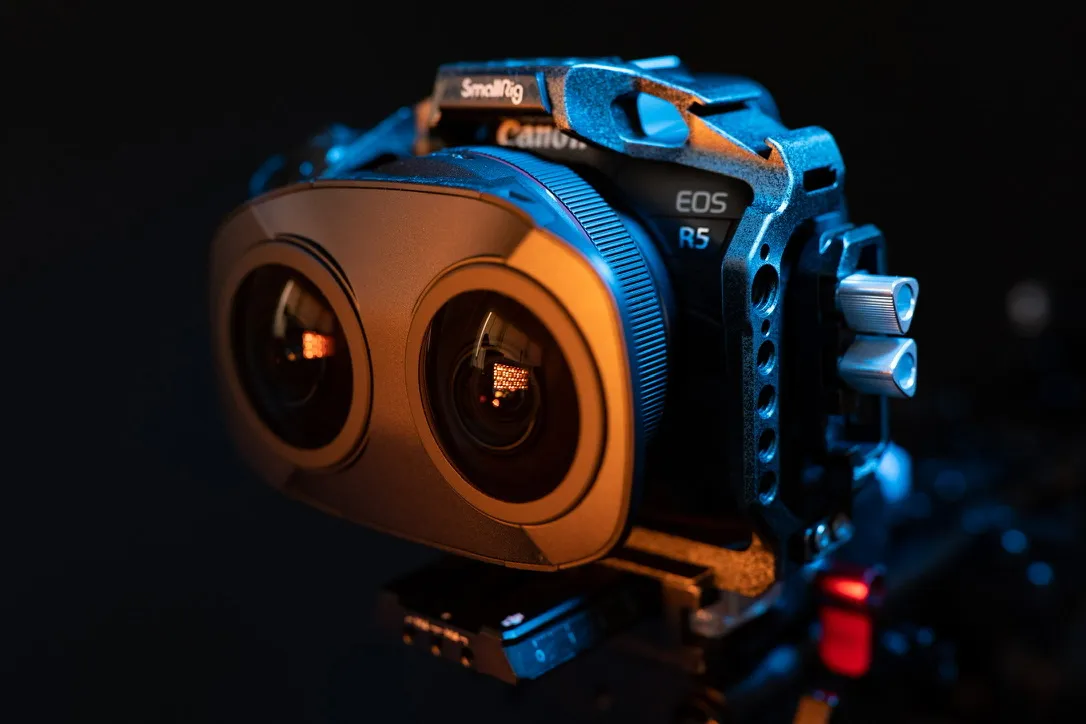
In Part I, I talked about the decision to move from our Z Cam setup to the Canon R5C with the RF 5.2mm dual fisheye lens. In practice, the upgrade changed our work significantly.
The image quality step-up was immediately obvious. The Canon colour science, the dynamic range, and the resolution all gave us footage we could be genuinely proud of at the final viewing stage — particularly on high-end headsets where image quality deficiencies are mercilessly exposed by proximity to the screen.
The active cooling on the R5C meant we could shoot long continuous takes without thermal throttling. For theatre productions especially — where you're capturing a full performance in one take — this was non-negotiable.
The post workflow also improved. Canon's dual fisheye format maps cleanly to EOS VR Utility, and from there into DaVinci Resolve's immersive tools. The steps are fewer, the quality losses are minimal, and the overall pipeline has a robustness that our previous setup lacked.
The Lesson
The speculative investment in VR180 kit in early 2020 — in the middle of a global pandemic, with no pipeline and no immediate clients — was one of the best business decisions we've made at Neon8.
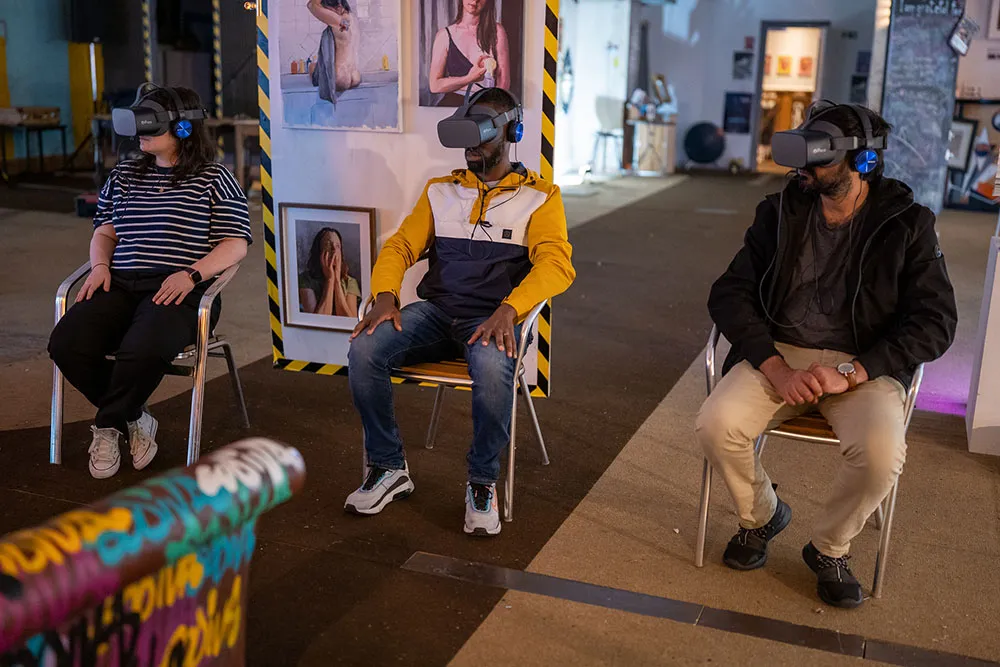
It established VR filmmaking as a genuine, income-generating strand of our work. It positioned us ahead of the market at a time when most competitors were still working out what VR180 was. And it gave us the foundation on which everything we've done since — Box Office VR, Digital Spaces, the Hearts & Minds hospital project, and much more — has been built.
The lesson isn't that you should always make speculative investments. It's that when you have a strong conviction about where a medium is going, and the fundamentals support it, acting decisively — even when the timing feels uncomfortable — tends to pay off.